Overview
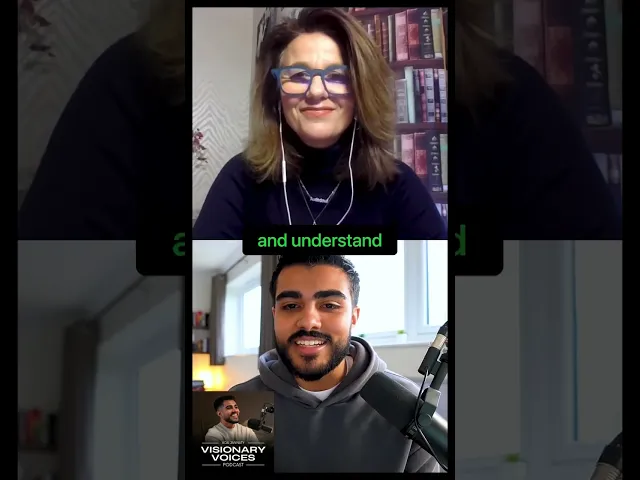
Setting clear risk timelines is essential for B2B founders navigating growth decisions. Without defined checkpoints and expectations, businesses often face wasted resources and missed opportunities. This post shares practical strategies for structuring risk, helping leaders optimize decision-making and assess progress effectively. For additional perspective, you can also watch the accompanying video.
Share this post
Key Lessons
Define a specific timeframe to measure the results of calculated risks.
Setting a clear timeframe allows your team to focus effort and resources while reducing uncertainty. This enables you to make informed decisions about next steps and minimize long-term risk for your B2B venture.
Set clear criteria and inputs to evaluate progress during your chosen timeline.
By establishing objective benchmarks and expectations from the start, you ensure accountability and measurable progress. This helps teams stay aligned and provides clarity on what success should look like at each stage.
Regularly assess if your efforts meet defined success outcomes and pivot quickly if they do not.
Continuous evaluation helps identify whether your strategies are driving the intended growth or outcomes. If targets are not met, quickly pivoting prevents wasted investment and keeps your business moving forward.
Summary
To set smarter risk timelines for business growth, B2B founders should establish a clear period to test new strategies and initiatives. Define measurable inputs and criteria for evaluating progress within that timeframe to maintain accountability and focus. Regularly review results against your benchmarks to determine if you’re meeting key outcomes. If goals aren’t reached, adapt quickly to minimize wasted resources and maximize future growth opportunities.
Unlock efficiency with our B2B Operations Playbooks: leadership, systems, and automations.

About the Author
Aqil Jannaty is the founder of ThePod.fm, where he helps B2B companies turn podcasts into predictable growth systems. With experience in outbound, GTM, and content strategy, he’s worked with teams from Nestlé, B2B SaaS, consulting firms, and infoproduct businesses to scale relationship-driven sales.